
Secure Your Future Remortgage Now!
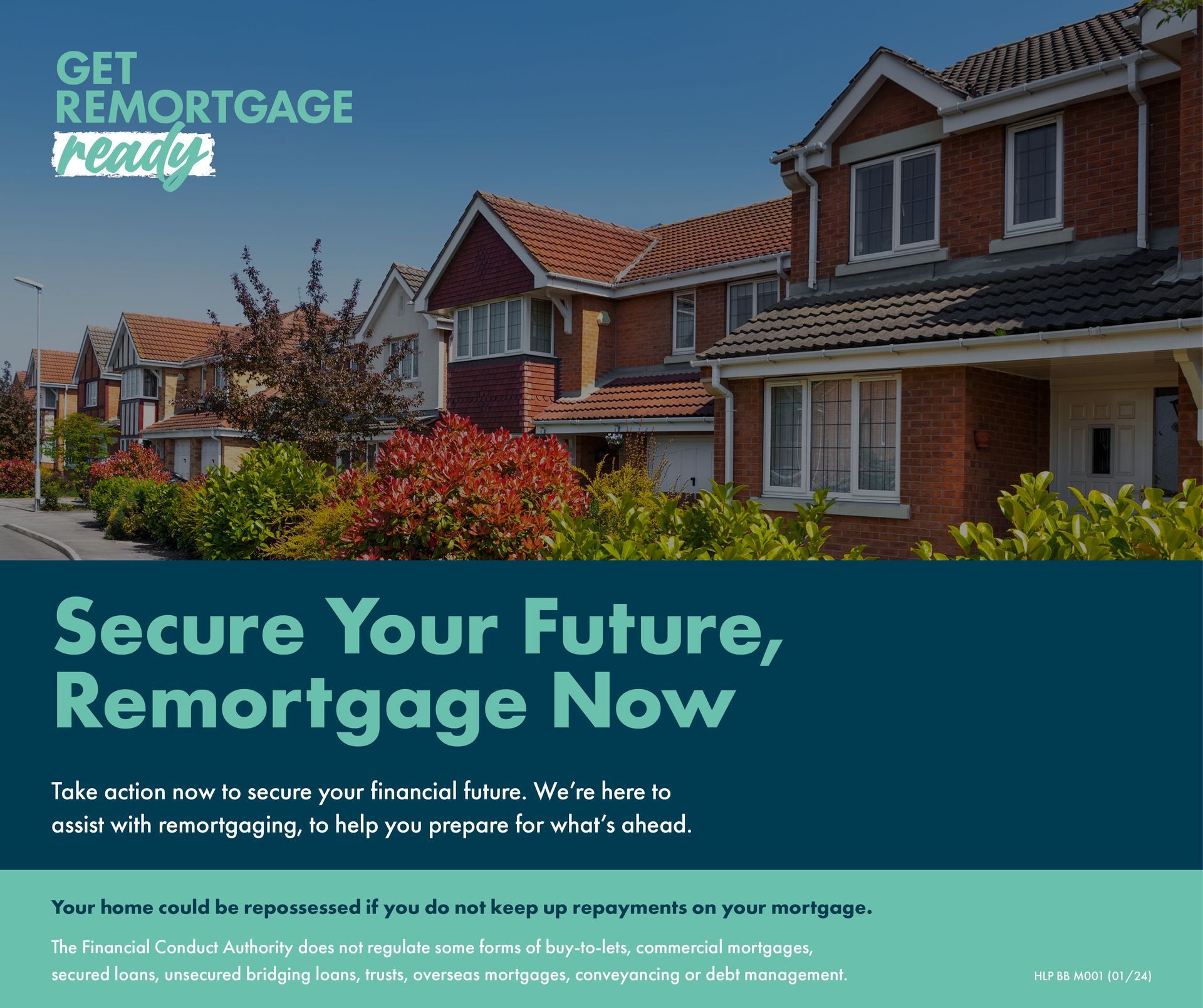
Remortgaging is the process of switching your existing mortgage to a new deal, either with your current lender or a different one. It is one of the most effective ways to manage your largest monthly expense.
Here are the primary reasons why you might consider remortgaging:
1. Avoiding a Rate Hike
The most common reason to remortgage is that your current fixed-rate, tracker, or discount deal is ending.
The SVR Trap: When your initial deal expires, you usually move to your lender’s Standard Variable Rate (SVR).
Cost Savings: SVRs are typically significantly higher than the best available fixed rates. Switching before you hit the SVR can save you hundreds—or even thousands—of pounds a year.
2. Finding a Better Interest Rate
If interest rates across the market have fallen since you took out your original loan, you might find a deal that is cheaper than your current one.
Lower LTV: If your home has increased in value or you have paid off a significant chunk of the loan, your Loan-to-Value (LTV) ratio will have improved. Lenders offer much better rates to people with more equity (e.g., moving from 90% LTV to 75% LTV).
3. Releasing Equity (Borrowing More)
If you need a lump sum of money, remortgaging can allow you to borrow against the value of your home. Common uses include:
Home Improvements: Funding an extension, a new kitchen, or a loft conversion.
Debt Consolidation: Rolling high-interest debts (like credit cards or personal loans) into your mortgage to lower your monthly outgoings. Note: While this can help monthly cash flow, you may pay more in interest over the long term.
Major Life Events: Funding a child’s education, a wedding, or a deposit for a second property.
4. Gaining Flexibility and Features
Sometimes it’s not just about the rate, but how the mortgage works. You might want to switch to a deal that allows:
Overpayments: Some mortgages limit how much extra you can pay each year. A new deal might offer more freedom to pay off the loan faster.
Payment Holidays: If you anticipate a career break or a change in income, some "flexible" mortgages allow you to skip payments for a month or two.
Offsetting: You can link your savings account to your mortgage so you only pay interest on the difference (e.g., if you have a £200k mortgage and £20k in savings, you only pay interest on £180k).
5. Switching from Variable to Fixed
If you are currently on a variable or tracker rate and are worried that interest rates are going to rise, remortgaging to a fixed-rate deal provides "peace of mind." It locks in your monthly payment for a set number of years, making budgeting much easier.
Important Note: Always check for Early Repayment Charges (ERCs). If you are still in the "fixed" period of your current deal, the cost of leaving might be higher than the savings you gain from a lower rate.
What to do next?
Russell Green, our Senior Mortgage Adviser, will be delighted to discuss your personal situation and requirements and can quote you on a choice of suitable options.
How to Contact Us
Russell Green will personally deal with your enquiry.
Tel 01934 442023
Email russell@westonmortgagesonline.com
Complete a form via our website www.westonmortgagesonline.com
Our initial mortgage consultation is free and with no obligation; should you proceed to an application, there will usually be a fee for mortgage advice. The precise amount of the fee will depend upon your circumstances, but will range from £ 290 to £490, and this will be discussed and agreed with you at the earliest opportunity.
Your home/property may be repossessed if you do not keep up repayments on a mortgage or other debt secured on it.